• DNDi_Logo_No-Tagline_Full Colour
  • Our work
    • Diseases
      • Sleeping sickness
      • Visceral leishmaniasis
      • Cutaneous leishmaniasis
      • Chagas disease
      • Parasitic worms
      • Mycetoma
      • Dengue
      • Paediatric HIV
      • Cryptococcal meningitis
      • Hepatitis C
      • Pandemic preparedness
      • Antimicrobial resistance
    • Research & development
      • R&D portfolio & list of projects
      • Drug discovery
      • Translational research
      • Clinical trials
      • Registration & access
      • Evidence for impact
      • Treatments delivered
    • Advocacy
      • Open and collaborative R&D
      • Transparency of R&D costs
      • Pro-access policies and IP
      • Children’s health
      • Gender equity
      • Climate change
      • AI and new technologies
  • Networks & partners
    • Partnerships
      • Our partners
      • Partnering with us
    • Global networks
      • Chagas Platform
      • Dengue Alliance
      • HAT Platform
      • LEAP Platform
      • redeLEISH Network
    • DNDi worldwide
      • DNDi Switzerland
      • DNDi Eastern Africa
      • DNDi Japan
      • DNDi Latin America
      • DNDi North America
      • DNDi South Asia
      • DNDi South-East Asia
      • DNDi West and Central Africa
  • News & resources
    • News & stories
      • News
      • Stories
      • Statements
      • Viewpoints
      • Social media
      • eNews Newsletter
    • Press
      • Press releases
      • In the media
      • Podcasts, radio & TV
      • Media workshops
    • Resources
      • Scientific articles
      • Our publications
      • Videos
    • Events
  • About us
    • About
      • Who we are
      • Our story
      • How we work
      • Our strategy
      • Our donors
      • Annual reports
      • Our prizes and awards
    • Our people
      • Our leadership
      • Our governance
      • Contact us
    • Work with us
      • Working at DNDi
      • Job opportunities
      • Requests for proposal
  • Donate
  • DNDi_Logo_No-Tagline_Full Colour
  • Our work
    • Diseases
      • Sleeping sickness
      • Visceral leishmaniasis
      • Cutaneous leishmaniasis
      • Chagas disease
      • Parasitic worms
      • Mycetoma
      • Dengue
      • Paediatric HIV
      • Cryptococcal meningitis
      • Hepatitis C
      • Pandemic preparedness
      • Antimicrobial resistance
    • Research & development
      • R&D portfolio & list of projects
      • Drug discovery
      • Translational research
      • Clinical trials
      • Registration & access
      • Evidence for impact
      • Treatments delivered
    • Advocacy
      • Open and collaborative R&D
      • Transparency of R&D costs
      • Pro-access policies and IP
      • Children’s health
      • Gender equity
      • Climate change
      • AI and new technologies
  • Networks & partners
    • Partnerships
      • Our partners
      • Partnering with us
    • Global networks
      • Chagas Platform
      • Dengue Alliance
      • HAT Platform
      • LEAP Platform
      • redeLEISH Network
    • DNDi worldwide
      • DNDi Switzerland
      • DNDi Eastern Africa
      • DNDi Japan
      • DNDi Latin America
      • DNDi North America
      • DNDi South Asia
      • DNDi South-East Asia
      • DNDi West and Central Africa
  • News & resources
    • News & stories
      • News
      • Stories
      • Statements
      • Viewpoints
      • Social media
      • eNews Newsletter
    • Press
      • Press releases
      • In the media
      • Podcasts, radio & TV
      • Media workshops
    • Resources
      • Scientific articles
      • Our publications
      • Videos
    • Events
  • About us
    • About
      • Who we are
      • Our story
      • How we work
      • Our strategy
      • Our donors
      • Annual reports
      • Our prizes and awards
    • Our people
      • Our leadership
      • Our governance
      • Contact us
    • Work with us
      • Working at DNDi
      • Job opportunities
      • Requests for proposal
  • Donate
Home > News

WHO adds first all-oral sleeping sickness drug to Essential Medicines List

Home > News

WHO adds first all-oral sleeping sickness drug to Essential Medicines List

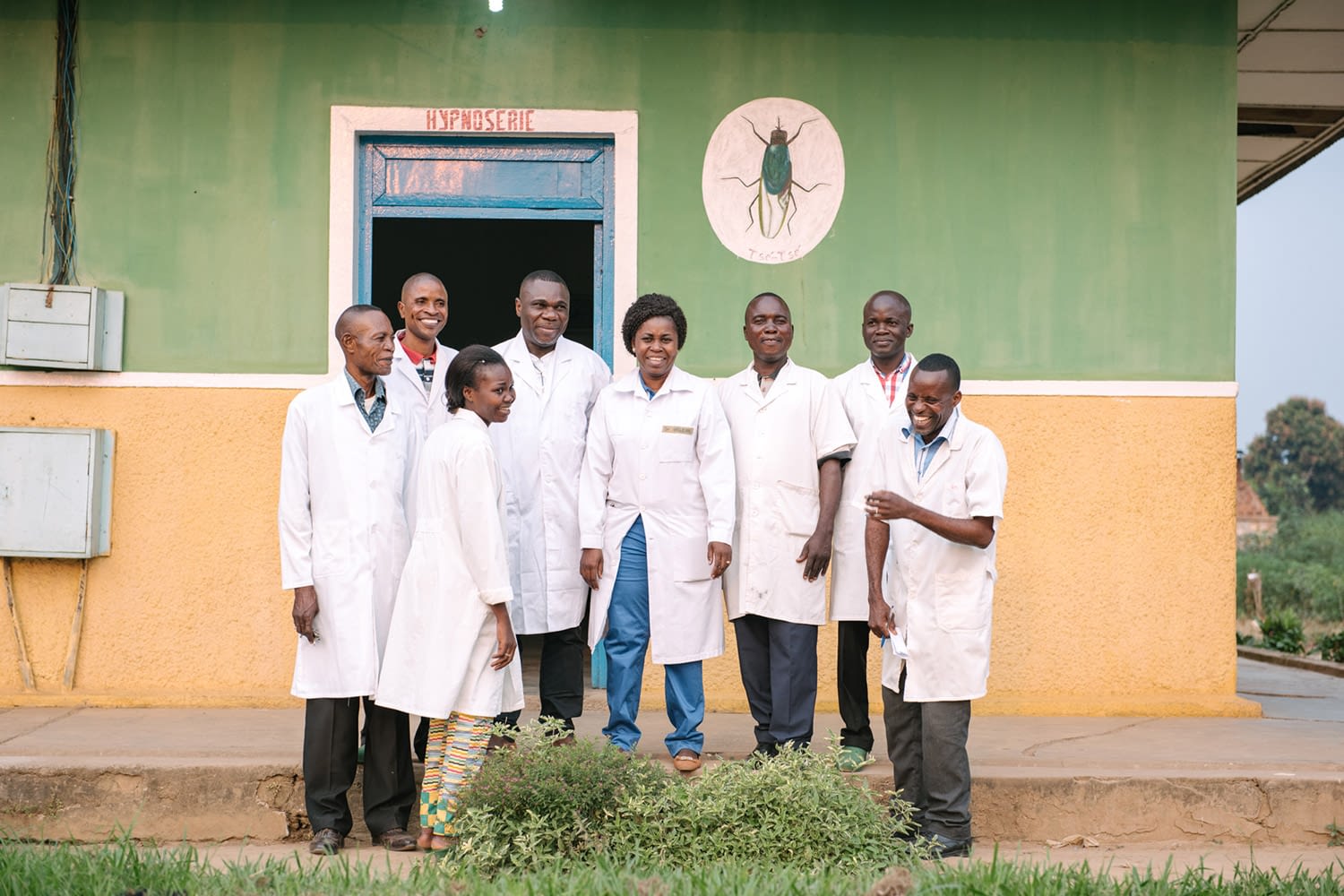
Healthcare workers and doctors outside of a hospital treating sleeping sickness patients
10 Jul 2019

Healthcare workers and doctors outside of a hospital treating sleeping sickness patientsFexinidazole, the first all-oral treatment for sleeping sickness registered by Sanofi and developed in clinical trials led by the Drug for Neglected Diseases initiative (DNDi), has been added to the World Health Organization’s (WHO) Essential Medicines Lists (EML) for adults and children, for the treatment of both stages of the disease.

The EML Expert Committee recommended the addition of fexinidazole to the EML as an orally administered treatment for the first and second stages of sleeping sickness, also known as human African trypanosomiasis, due to Trypanosoma brucei gambiense.

“The WHO’s Essential Medicines List is used by countries to guide decisions on which products need to be made widely available for their populations. It will spur governments in endemic countries to include fexinidazole in their treatment guidelines,” said Dr Nathalie Strub-Wourgaft, DNDi’s Director of Neglected Tropical Diseases. “Inclusion of fexinidazole is also a further sign of WHO and Sanofi’s commitment to ensuring swift deployment of this paradigm-changing treatment.”

Sleeping sickness is a neglected tropical disease, transmitted by the bite of a tsetse fly. Without prompt diagnosis and treatment, sleeping sickness is usually fatal, as the parasites invade the central nervous system. 65 million people, who live mainly in rural parts of East, West and Central Africa, are at risk of contracting sleeping sickness.

On 16 November 2018, the European Medicines Agency (EMA) adopted a positive scientific opinion of fexinidazole – a result of clinical trials led by DNDi and an application submitted by Sanofi.

Photo credit: Xavier Vahed-DNDi

Registration & access Sleeping sickness

Read, watch, share

Loading...
Patricia, 44, from Area 44 in Lilongwe, Malawi, has lived with vision loss for 10 years following a late diagnosis of cryptococcal meningitis.
Stories
30 Jun 2026

Cryptococcal meningitis: Africa’s neglected HIV killer

News
29 Jun 2026

Eric Easom, Dr Marcus Lacerda, and Mathieu Lamiaux join the DNDi Board of Directors 

Publications
29 Jun 2026

Advancing global health innovation through Europe-Africa collaboration

Mamadou Diop senior health technician - biologist at CERPAD Lab at Gaston Berger University
Stories
17 Jun 2026

The DNDi-MMV Joint Regulatory Platform: ‘a pioneering programme project for non-profit medical research organizations to speak with one voice’

MASAMUNA, DR CONGO, JANUARY 2026: The mother superior of the nuns who run the local clinic is also the lab technican.
Press releases
12 Jun 2026

DRC approves the use of acoziborole, a breakthrough one-day oral treatment against sleeping sickness

Statements
9 Jun 2026

DNDi Statement at the UN Multi-Stakeholder Hearing on Pandemic Prevention, Preparedness, and Response (PPPR)

Press releases
8 Jun 2026

DNDi, GARDP, and MMV join forces to accelerate drug development for patients in greatest need

Statements
19 May 2026

DNDi interventions at the 79th World Health Assembly

VIEW ALL

Help neglected patients

To date, we have delivered fourteen new treatments, saving millions of lives.

Our goal is to deliver 25 new treatments in our first 25 years. You can help us get there. 

GIVE NOW
Linkedin-in Instagram Youtube X-twitter Tiktok Facebook-f
International non-profit developing safe, effective, and affordable treatments for the most neglected patients.

Learn more

  • Diseases
  • Neglected tropical diseases
  • R&D portfolio
  • Policy advocacy

Get in touch

  • Our offices
  • Contact us
  • Integrity Line

Support us

  • Donate
  • Subscribe to eNews

Work with us

  • Join research networks
  • Jobs
  • RFPs
  • Terms of Use   
  •   Acceptable Use Policy   
  •   Privacy Policy   
  •   Cookie Policy   
  •   Our policies   

  • Except for images, films, and trademarks which are subject to DNDi’s Terms of Use, content on this site is licensed under a Creative Commons Attribution-NonCommercial-ShareAlike 4.0 International license